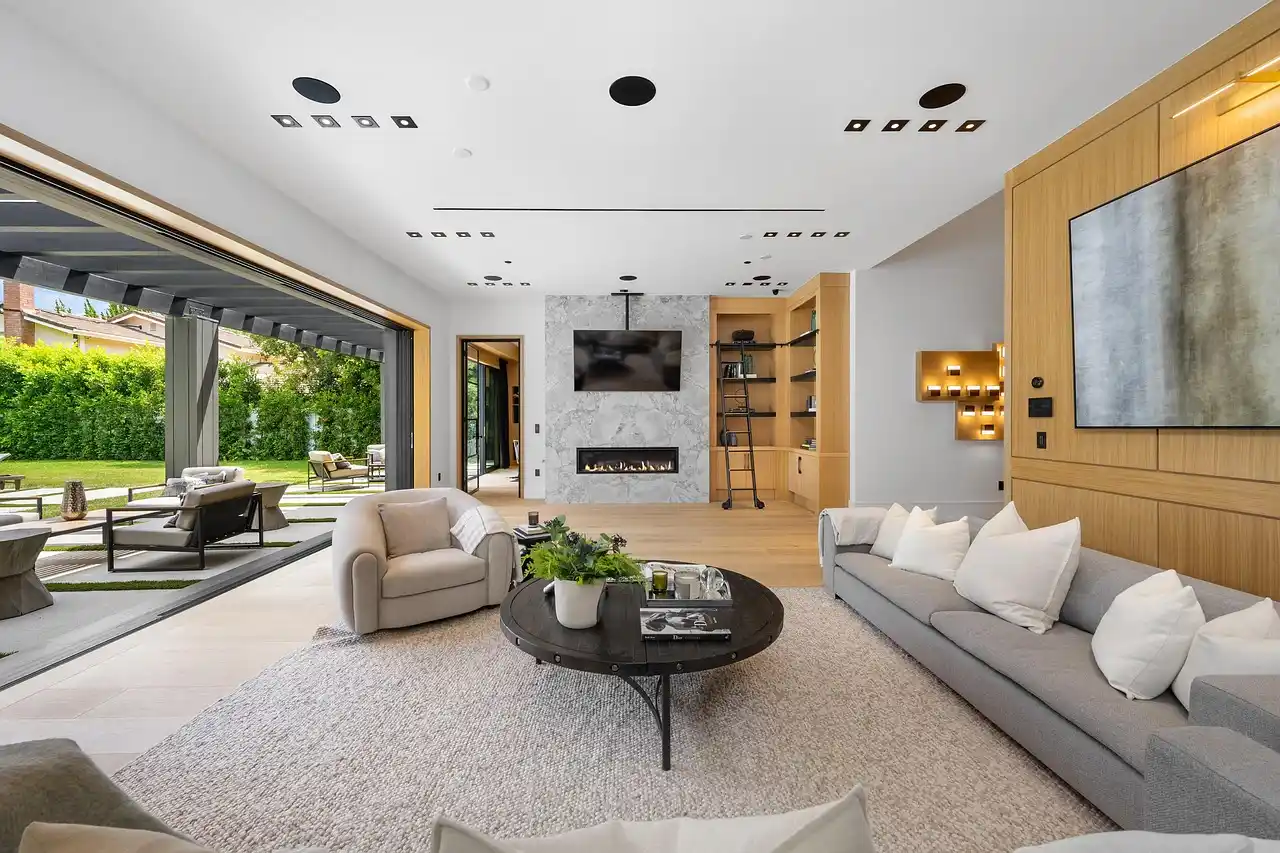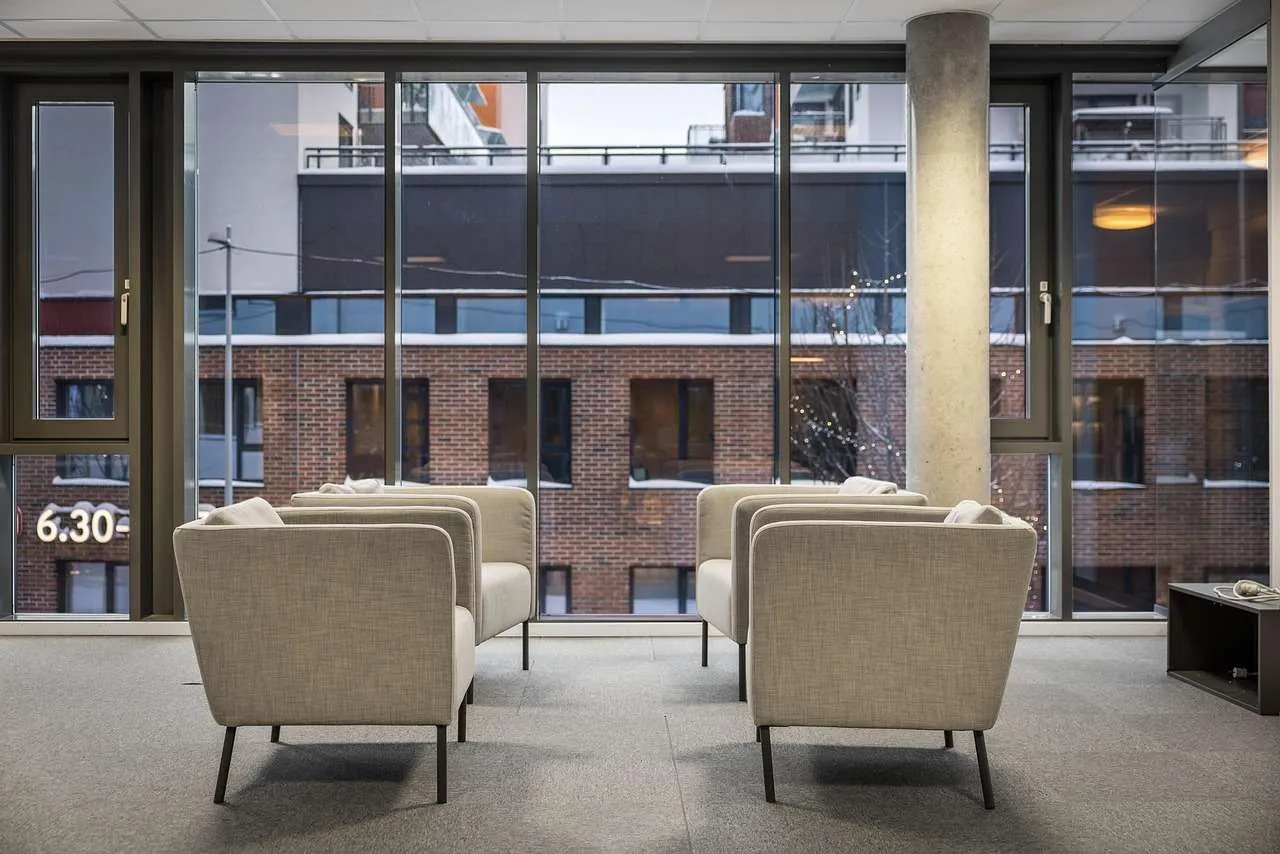
Window tint for home is a film applied to interior glass to reduce heat and glare, block UV, and improve privacy, while preserving daylight. The right tint can lower cooling costs, protect furnishings from fading, and create a more comfortable living space. This guide explains common tint types, how to choose, and what to expect from installation, with practical tips from experienced installers.
Understanding window tint options for homes
Ceramic window tint
Ceramic films use nonconductive ceramic particles that reject heat without adding metallic tint. They offer excellent heat rejection, high clarity, and strong UV protection while remaining non-reflective. They are typically one of the more expensive options, but they maintain performance over time and don’t interfere with cell phones or WiFi.
Dyed and tinted films
Dyed films absorb heat and reduce glare using a colored layer. They are usually the most budget-friendly option and provide noticeable privacy. However, dye can fade over time, and heat rejection is generally lower than ceramic or metalized films.
Metalized or reflective films
Metalized films incorporate thin metallic layers to reflect a large portion of solar heat and glare. They deliver strong energy savings and can dramatically reduce interior temperatures. The trade-offs are potential glare on sunny days, reflections that can be visible from the outside, and possible interference with certain electronic devices or security systems if installed on many windows.
Neutral or solar control films
These films strike a balance between appearance and performance, offering moderate to high heat rejection with a light-to-medium tint. They are suitable for homes seeking a less dramatic exterior look while still cutting glare and UV exposure.
Safety and security films
Security films reinforce glass with multiple layers, increasing impact resistance. They often include a tint or clarity option and are popular for homes in high-traffic areas or near street level. They are not a substitute for burglar bars but can delay entry during a break-in while holding shards in place.
How to choose the right tint for your home
Start with your climate and sun exposure. In hot sunny regions, higher heat rejection and lower visible light transmission (VLT) can substantially cut cooling loads. For homes with sensitive furniture or artwork, prioritize UV rejection and lower fading risk. Consider the type of glass you have (single, double, or triple pane) and existing coatings, since some films perform better on certain substrates. Local rules matter too: check HOA guidelines and local regulations about tint darkness and reflectivity. For most homeowners, working with a licensed window film installer ensures correct selection and safe application. Look for certified installers, ask for before/after energy performance data, and verify the warranty and manufacturer standards. This is part of EEAT—showing expertise, experience, and trust in the installation process.
Installation and maintenance
Preparation is key. A professional will clean the glass, cut the film to the correct size, and apply it with precision to avoid bubbles. Expect a typical installation timeline of a few hours per home, depending on window count and pane complexity. After installation, keep windows dry for 24-48 hours and follow the manufacturer’s care instructions. Clean with a soft cloth and a non-ammonia cleaner to protect the film’s coating and prolong clarity. Routine inspection should occur yearly to ensure edges remain sealed and there is no peeling.
Comparison of common window tint types
| Tint Type | Light Transmission (VLT) | UV Rejection | Heat Rejection | Pros | Cons |
|---|---|---|---|---|---|
| Ceramic | 40-80% | 99%+ | High | Clear, nonconductive, durable | Higher cost |
| Dyed / Dye-based | 20-60% | 99%+ | Medium | Affordable, good privacy | Can fade; moderate heat control |
| Metalized / Reflective | 5-40% | 99%+ | Very High | Excellent heat rejection, glare control | Potential electronics interference; exterior reflections |
| Neutral / Solar control | 40-70% | 99%+ | High | Balanced look and performance | Moderate cost |
| Safety / Security film | 4-60% | 99%+ | Variable | Shatter resistance, enhanced safety | Typically thicker and pricier |
As you compare options, request sample films and consult with an experienced installer who can predict how a given tint will look on your specific windows throughout the day and year. Independent testing and manufacturer warranties provide objective guidance beyond aesthetics.
Summary: Window tint for home offers privacy, UV protection, energy efficiency, and safety when selected with care. Choose the right type for your climate, verify local rules, hire a licensed installer, and maintain the film to maximize value and comfort over time.