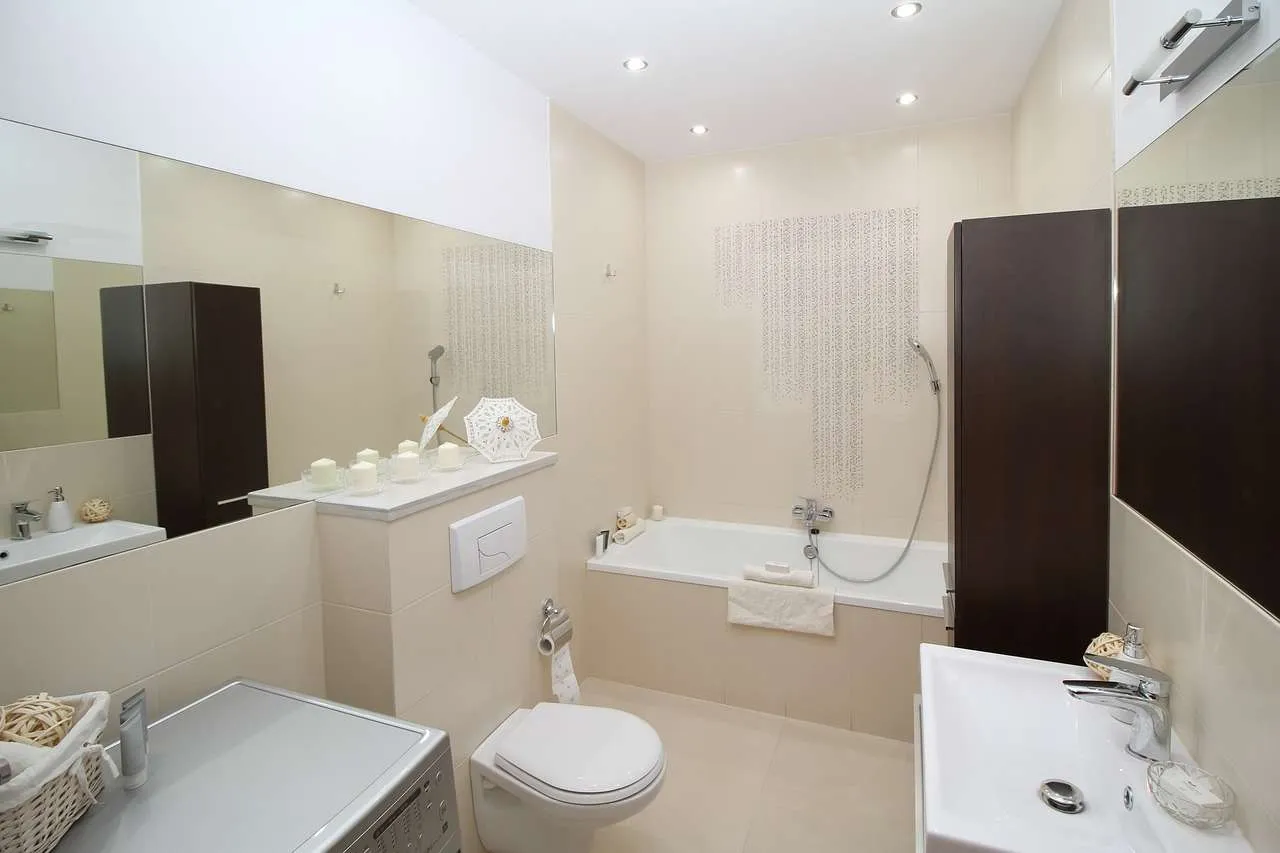
Choosing bathroom tile sets the tone for durability, functionality, and style. A well-chosen bathroom tile can resist moisture, wear, and stains while enhancing the overall design. This guide explains how to select the right bathroom tile, compare materials, and plan installation for a long lasting result.
Choosing the right bathroom tile
Material options
Porcelain tile is a dense ceramic product that wears well in wet areas. It is fired at high temperatures to create a hard, water resistant surface. Ceramic tile is more affordable and comes in a wide range of colors and patterns, but can be softer under heavy traffic. Natural stone such as marble, travertine, or slate offers unique character but requires sealing and maintenance to prevent staining or etching. Glass and metallic tiles create accents and reflect light, making a small bathroom feel brighter.
Size, texture, and finish
Large format tiles reduce grout lines and can create a seamless look, but may require professional installation for flat walls. Textured finishes add slip resistance but can trap dirt. Matte finishes hide water spots better than high gloss, while polished stones highlight color and character. Consider a mix of materials for balance and practicality.
Design ideas and patterns
Subway tiles in a herringbone pattern offer a timeless vibe, while large porcelain planks resemble wood with none of the maintenance. Small mosaics work well for shower niches and borders. For bathrooms with limited natural light, choose light neutral colors with high light reflectance and complementary grout colors to maintain brightness.
Installation basics
Proper substrate preparation is essential. Check that the substrate is flat, clean, and dry before tile installation. Use a waterproof membrane in shower and wet areas. Choose appropriate thinset mortar and grout; epoxy grout provides superior stain resistance in wet zones. Grout color can dramatically affect the final look.
Budgeting and planning
Set a realistic budget that includes tile, backer board, waterproofing, labor, and finishes. Labor can equal or exceed material cost in complex patterns or large formats. Ask for samples and test layouts on the wall before committing.
Maintenance and care
Porcelain and ceramic tiles are low maintenance with routine cleaning using pH balanced cleaners. Natural stone requires sealing and periodic re sealing to protect the surface. Clean grout lines to prevent staining and consider epoxy grout in showers for added durability. Regular mopping, quick spill cleanup, and proper ventilation extend tile life.
Comparison
| Material | Pros | Cons | Best For | Cost per sq ft |
|---|---|---|---|---|
| Porcelain | Very durable, water resistant | Can be hard to cut, limited textures | Floors and showers | 2 to 8 |
| Ceramic | Affordable, wide patterns | Less dense than porcelain | Walls, backsplashes, low traffic | 1 to 5 |
| Natural stone | Distinctive character | Sealing and maintenance required | Showers, vanity tops | 6 to 20 |
| Glass | Reflects light, modern accents | Limited use, slippery when wet | Accents, backsplashes | 6 to 15 |
When budgeting, include moisture barriers, underlayment, and potential repairs to substrate. Consult a licensed professional for labor related to complicated layouts or 3D niches.
Conclusion
Choosing bathroom tile means balancing material performance, design, and maintenance. Porcelain excels for durability, natural stone offers character with upkeep, and glass adds brightness. Plan layouts that minimize grout while providing slip resistance, and pair tile with appropriate grout colors. A well designed bathroom tile scheme increases value and provides lasting satisfaction.
Summary: A smart selection of bathroom tile starts with understanding materials, finishes, and layouts; plan for waterproofing and maintenance; and balance aesthetics with budget to achieve a durable, stylish bathroom that lasts.